Graeme Thompson, RCC

Take a break and read all about it

Insomnia and CBT-i

SAD Lamp for Insomnia: How to Choose the Right One

Most SAD lamp guides are affiliate rankings or generic clinical checklists. This one bridges the two: what to check before buying, what to avoid on Amazon, morning versus evening timing for insomnia, and three specific devices that meet the criteria, with no compensation involved anywhere.

Insomnia and CBT-i

Autism and Insomnia in Adults: Why Sleep Is So Hard

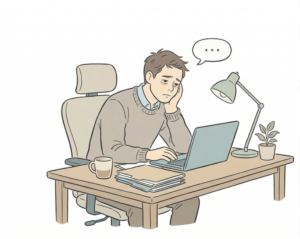
Insomnia affects roughly 60% of autistic adults. That rate isn’t coincidental. It reflects a nervous system with a lower threshold for arousal, a circadian clock that’s harder to keep on schedule, and a maintaining cycle that sleep hygiene can’t touch. Here’s what’s driving it, and where CBT-I fits in.

Insomnia and CBT-i

Why Watching the Clock Makes Insomnia Worse | BC CBT-I

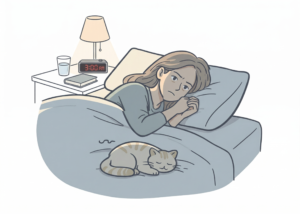
It’s 3:17 a.m. You know because you just checked. Now the arithmetic starts. Clock-watching doesn’t just reflect insomnia — research shows it makes it worse, warps your sense of how long you’ve been awake, and drives sleep medication use. Here’s why it’s hard to stop, and what CBT-I does about it.

A woman in polka-dot pajamas sits up in bed, holding hands with an elderly man in a robe while they talk in a cozy bedroom with a plant on a side table and a mug nearby.
Insomnia and CBT-i

Cognitive Restructuring for Insomnia: Question Sleep Thoughts

The thoughts that keep you awake at 2am rarely get questioned. This CBT-I guide adapts Socratic questioning to insomnia: eight questions to test a sleep thought against the evidence, how to rewrite it without promising sleep, and why it belongs in daylight.

Cartoon of a tired person in pajamas standing beside a large billboard that says, "I'm not going to fall asleep" on a city sidewalk.
Insomnia and CBT-i

10 Cognitive Defusion Techniques to Quiet Bedtime Thoughts

It’s 11:20pm and the thought arrives fully formed: tonight is going to be another bad one. It feels like a forecast, not a guess. Cognitive defusion is the skill of unhooking from that thought so it carries less weight, and the research behind it is stronger than you might expect. Here are ten techniques drawn from ACT, popular books, and everyday practice, with guidance on choosing the few worth keeping.

Insomnia and CBT-i

CBT-I vs. Sleeping Pills: What the Research Shows

Most people on zopiclone or a benzodiazepine for insomnia were never told that Canadian guidelines recommend something else first. Here’s what the head-to-head research shows, and why the path off sleeping pills is more manageable than most people expect.

Insomnia and CBT-i

The Long-Term Impact of Insomnia: What the Research Says

At 3 AM, your brain is not known for its nuanced interpretation of clinical research. Most articles about the long-term impact of insomnia lump together two very different experiences: chronic insomnia and chronic sleep deprivation. That distinction changes what you need to worry about, what you don’t, and what kind of help will actually make a difference.

Do You Want To Boost Your Business?

drop us a line and keep in touch

CTA News.png
Scroll to Top