Can Exercise Help with Insomnia? What the Research Says
Exercise improves sleep quality, but more isn’t always better. A 2025 analysis of 86 trials explains the right dose, type, and timeline for insomnia.

Exercise improves sleep quality, but more isn’t always better. A 2025 analysis of 86 trials explains the right dose, type, and timeline for insomnia.

You’re tired — but your shoulders are up near your ears and your jaw is clenched around nothing. PMR works by tensing first. Here’s the clinical protocol, step by step.

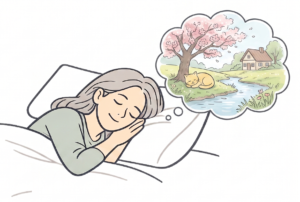
The lights go off and your mind turns on. Not winding down — planning, replaying, rehearsing. Here’s why guided imagery works for insomnia, and exactly how to practise it.

Up to 80% of cannabis users cite sleep as a primary reason for use. The neuroscience is more complicated than that number suggests — and the gap between what people report and what their sleep actually looks like is one of the more interesting puzzles in sleep medicine right now.

Insomnia is the one condition where the standard cultural advice — try harder, optimize more, add another protocol to your stack — reliably makes things worse. People who have spent years adding to their wind-down routine are not failing at sleep because they haven’t tried enough. The trying itself is the wakefulness.

Two BC psychiatrists say the province is failing people with insomnia. CBT-I is the recommended treatment — and you don’t need a referral to access it.

Healthcare workers, first responders, teachers, and managers face some of the highest insomnia rates of any occupations in Canada. Here’s why certain jobs create sleep problems, and why CBT-I is the treatment that actually addresses them.

You’ve done everything right: dark room, no screens, no caffeine. And you’re still awake. If sleep hygiene isn’t working for your insomnia, it’s not because you’re doing it wrong. It’s because sleep hygiene was never designed to treat chronic insomnia. Here’s what the research says, and what actually works.

If you’re considering CBT-I for insomnia, the cost question usually comes up fast. MSP won’t cover it, but extended health benefits often will — and CBT-I’s short, structured format makes it one of the more benefits-friendly treatments available. Here’s what to know before you call your insurer.

Sleep difficulties affect 40 to 60% of women during the menopausal transition, making menopause insomnia one of the most common and least discussed symptoms of this stage of life. The good news: this isn’t something you simply have to endure.